seo
Updated July 23, 2021
7 min read
Summary
- Sleep apnea is a serious sleep disorder that can disrupt breathing, cause daytime sleepiness, and affect concentration and work.
- It may qualify as a disability under the ADA or Social Security if it limits major life activities or prevents sustained work.
- Approval depends on symptom severity, treatment response, and medical documentation.
- CPAP therapy, lifestyle changes, and natural remedies can help, but persistent limitations may support a disability claim.
Is sleep apnea a disability for Social Security? While sleep apnea may qualify for Social Security benefits, not everyone with this condition does. To get a clear answer, you need to understand the severity of the disease and how it limits your ability to work.
What is Sleep Apnea?
It is estimated that almost 22 million people in the United States suffer from sleep apnea, which is a serious condition that causes breathing to stop and start during sleep. It also increases the risk of several health complications. For example, it has been linked with an increased risk of high blood pressure and obesity. When left untreated, it can lead to serious consequences that may affect a person’s quality of life. These consequences include:
- Heart disease
- High blood pressure (hypertension)
- Irregular heart rhythms (arrhythmias)
- Stroke
- Type 2 diabetes
- Increased risk of heart attack
- Surgical and anesthesia complications
- Slowed reaction time
- Increased risk of accidents
The following table shows three types of sleep apnea:
| Type | Underlying Problem | Causes |
| Obstructive Sleep Apnea (OSA) | Airway is physically blocked during sleep |
|
| Central Sleep Apnea (CSA) | Brain fails to signal breathing |
|
| Complex Sleep Apnea Syndrome | Mix of OSA and CSA |
|
Common Symptoms
The following are the nighttime symptoms of sleep apnea:
- Loud, chronic snoring
- Gasping or choking during sleep
- Restless or fragmented sleep
- Frequent awakenings, often accompanied by shortness of breath
- Dry mouth or sore throat upon waking
The following are the daytime symptoms of sleep apnea:
- Excessive daytime sleepiness
- Morning headaches
- Difficulty concentrating or memory problems
- Irritability, mood changes, or depression
- Reduced alertness
The following are warning signs in children:
- Mouth breathing while sleeping
- Loud snoring
- Feeling lethargic with morning sleepiness
- Bedwetting
- Behavioral issues
What Legally Counts as a “Disability”?
According to the SSA, you are disabled when you are unable to engage in any substantial gainful activity (SGA) due to a condition that is either:
- Expected to result in death, or
- Has lasted or is expected to last at least 12 months
Is Sleep Apnea Considered a Disability Under the ADA?
Sleep apnea may be considered a disability under the Americans with Disabilities Act (ADA) if the condition significantly limits your ability to perform daily activities. The ADA does not provide a set list of qualifying conditions.
According to the ADA, if your physical or mental impairment substantially limits one or more major life activities (such as sleeping, breathing, concentrating, thinking, and working), it is a disability.
Sleep apnea is a disability under the ADA if it substantially limits these activities.
If you manage sleep apnea with CPAP therapy and daily activities are not significantly limited, it does not meet the ADA’s definition of a disability. If symptoms persist or treatment causes limitations, ADA protections may still apply.
If your sleep apnea qualifies as a disability under the ADA, then your employer may have to provide reasonable accommodations.
Sleep Apnea and Workplace Accommodations
Under the Americans with Disabilities Act (ADA), you may be entitled to reasonable workplace accommodations if the condition substantially limits major life activities. Your employer may have to make the following common workplace accommodations:
- Flexible scheduling
- Remote work options
- Adjustable workloads
- Rest areas
- Job Reassignment
Can You Get Social Security Disability for Sleep Apnea?
The SSA’s Listing of Impairments does not list sleep apnea as a standalone qualifying condition. However, you may qualify for sleep apnea social security disability if your sleep apnea prevents you from working.
You must show that the condition causes functional limitations, making you unable to perform substantial gainful activity (SGA) on a sustained basis.
How Does the SSA Evaluate Sleep Apnea?
The SSA uses the following two ways to evaluate your sleep apnea:
Related Medical Conditions
If sleep apnea leads to or worsens another condition that is listed, you may get sleep apnea disability benefits.
Residual Functional Capacity (RFC) Assessment
The SSA assesses your Residual Functional Capacity (RFC) if your condition does not meet a listing. Sleep apnea may support an RFC finding of disability if it causes:
- Excessive daytime sleepiness
- Poor concentration or memory
- Slowed reaction time
- Unpredictable fatigue
- Safety risks
The SSA then considers whether your limitations prevent you from performing your past work or any other work that exists in significant numbers in the national economy.
Does Treatment Affect Disability Status?
The SSA closely examines how well your condition responds to sleep apnea treatment.
- If sleep apnea treatments, such as CPAP, control your symptoms, then your claim is less likely to be approved.
- If you cannot tolerate CPAP or symptoms persist despite treatment, your chances of approval increase.
If you don’t follow prescribed treatment without a valid medical reason, then SSA may deny your claim.
How to Document Sleep Apnea for Disability
The SSA looks for strong medical evidence, which includes:
- Polysomnography (sleep study)
- Medical records documenting symptoms and the severity of the disease
- Treatment history
- Physician notes describing functional limitations
- Evidence of related complications or coexisting conditions
How to Treat Sleep Apnea Naturally?
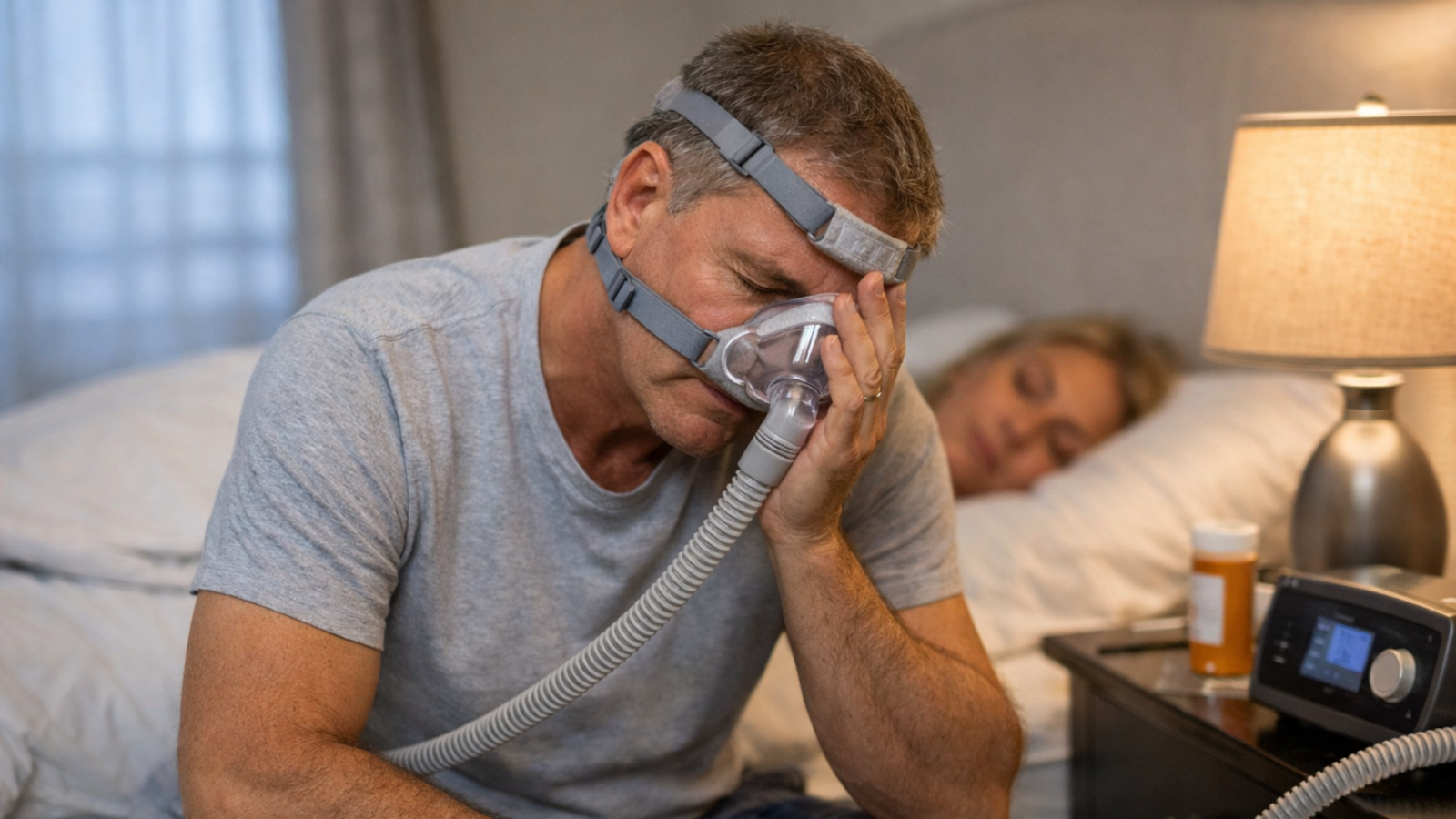
Continuous positive airway pressure (CPAP) therapy is a treatment method for patients who have sleep apnea. CPAP machines use mild air pressure to keep the airways open. Many people find wearing a CPAP mask at night a little uncomfortable. Certain natural treatments may help treat the condition naturally. You could try adopting these methods to treat the disease naturally:
Maintain a Healthy Weight
People with breathing issues are at higher risk of experiencing complications. To eliminate the need for long-term CPAP therapy and other difficulties, an individual should maintain a healthy body weight. Losing weight may help in decreasing the impact of sleep apnea.
Exercise Regularly
Regular exercise and physical activity help reduce the risk of various complications, including sleep apnea.
Avoid Alcohol and Smoking
An individual experiencing sleep issues should avoid alcohol and smoking. Doctors usually suggest limiting alcohol intake and quitting smoking to reduce the complications associated with sleep apnea.
Change your Sleep Pattern
Studies have found that sleeping on your back can worsen the condition. Individuals should try sleeping on one side to keep the airways open and allow for natural breathing.
Consider Using a Humidifier
You may even try using a humidifier to add moisture to the air. Humidifiers open airways, encouraging clear breathing.
Getting Disability Benefits for Sleep Apnea
If the condition prevents you from working, you can contact a legal professional to learn more about the disability application process. They will review your application and help you determine whether you meet the eligibility criteria. Winning a disability claim for this condition alone is not easy.
The chances of getting SSDI or SSI benefits increase with a knowledgeable attorney on your side. Document all the symptoms and limitations you are experiencing. Then discuss the situation with your healthcare provider.
You can hire a disability lawyer to stand by your side throughout the process. They can coordinate with everyone on your behalf and work towards a successful decision for your disability application or appeal.